

What cleaning services cost in Malaysia: a price guide by job type
By Janice · Updated 2026-07-16

Cleaning costs in Malaysia vary more by job type than by which company you call. A regular home clean, a post-renovation deep clean, and an office contract are priced on entirely different logic, so comparing them directly rarely helps. This guide breaks each one down separately.
Regular and deep home cleaning
Regular maintenance cleaning is usually priced by home size and number of bathrooms, since bathrooms take disproportionately longer than any other room. A deep clean costs more per visit because it adds inside-appliance cleaning, skirting boards, window tracks, and areas that don’t get touched weekly.
Move-in and move-out cleans sit above both, since they typically cover cabinet interiors, light fixtures, and a full bathroom descale in a single visit rather than spreading the work across several. If you’re comparing quotes for this specific situation, our directory home page lists providers who handle it regularly.
What actually moves the price
| Factor | Effect on price |
|---|---|
| Home size and bathroom count | Bigger swing than any other single factor |
| Regular vs deep vs move-in/out | Each tier typically costs noticeably more than the one before |
| How long since the last proper clean | Neglected homes take longer, even at the same square footage |
| Eco-friendly or specialty products | Small premium, usually a fixed add-on |
| Same-day or urgent booking | Often a rush surcharge |
| Recurring contract vs one-off | Recurring visits are usually cheaper per session |
Carpet, upholstery, and specialty items
Carpet and upholstery cleaning is priced per item or per room rather than by home size: a 3-seater sofa, a mattress, and a room-size rug each carry their own rate, and quantity discounts are common if you’re booking several pieces in one visit. Heavier staining, pet odour treatment, or delicate fabrics like wool or antique rugs usually add to the base rate, since they need gentler methods and more time.
Commercial and office cleaning
Office cleaning is priced by floor area and how often the crew visits, not by a flat monthly fee. Daily servicing for a busy office costs proportionally more than three-times-a-week or weekly visits, but daily work also tends to stay lighter per session since mess doesn’t accumulate as much between cleans. Periodic deep work, carpet shampooing, glass cleaning, floor polishing, is usually quoted separately from the daily contract rather than bundled in.
Getting a quote you can actually compare
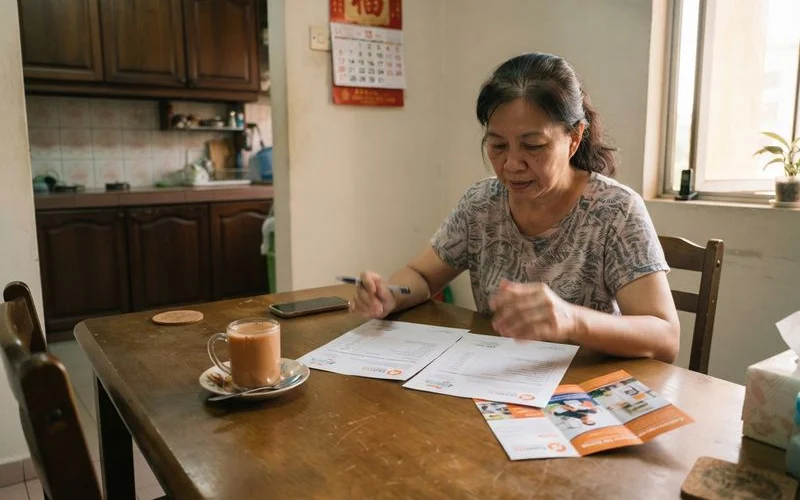
The single biggest mistake in comparing cleaning quotes is treating a lump-sum number as final. Ask each company to break the figure down by task or by hour, confirm whether products are included, and check if there’s a rush fee for short-notice bookings. A slightly higher quote that lists everything clearly is usually a safer bet than a lower one with vague scope, since the gap tends to show up as surprise add-ons later.
If you’re weighing whether a service is worth the price at all, it helps to think in terms of your own time. A three-hour weekly clean that costs a modest sum against an afternoon of your own labour is a fairly easy trade for most working households; a full move-out deep clean is harder to DIY well in the time you’d have before handover, which is usually why people bring in a professional crew for that one specifically even if they clean their own home the rest of the year.
Payment methods and financing
Cash and bank transfer remain the most common ways to settle a cleaning bill in Malaysia, with an increasing number of providers accepting e-wallet payments too. Financing or instalment plans aren’t typical for one-off residential cleaning, since the amounts involved are usually modest, but larger commercial contracts sometimes negotiate net-30 or monthly invoicing terms rather than payment on the day. Home cleaning generally isn’t covered by any form of insurance, since it’s routine maintenance rather than an insurable event, so budgeting for it as a regular household expense makes more sense than looking for a policy to offset it.
A rough way to sanity-check a quote
Before accepting any quote, it helps to have a mental range in mind rather than comparing blind. A studio or small apartment on a regular maintenance schedule should sit toward the lower end of what you’d expect for a few hours of work; a larger landed home or a deep clean naturally costs more given the added time and scope. If a quote comes in noticeably below what similar homes seem to pay, ask what’s excluded rather than assuming you’ve found a bargain, since the gap is usually explained by a shorter visit or fewer tasks covered rather than genuine savings. Post-renovation cleaning follows a similar sanity-check logic, though the price drivers differ quite a bit; see our guide on what drives the price of post-renovation cleaning for the specifics.
For a full breakdown of how providers are scored on pricing transparency alongside service quality, see our methodology page.
FAQ
- Why do two quotes for the same house differ so much?
- The biggest swing factors are how many bathrooms need scrubbing, whether the quote includes inside-appliance cleaning, and how recently the home was last cleaned. A home that hasn't had a proper clean in months takes longer than the base quote assumes.
- Is it cheaper to book a package or pay per visit?
- Recurring packages (weekly or fortnightly) usually work out cheaper per visit than one-off bookings, since the crew already knows the layout and the job stays close to maintenance level rather than a deep clean each time.
- Do quotes usually include cleaning supplies?
- Most standard quotes include the company's own products and equipment. If you want eco-friendly products or you're supplying your own, say so upfront, since it can shift the price slightly either way.
- Are there hidden costs to watch for?
- Ask specifically about extra bathrooms, pet hair, heavy grease, and whether a same-day or urgent booking carries a surcharge. A written quote that lists these separately is easier to compare than a single lump-sum figure.