

Hoarding and biohazard cleanup in Petaling Jaya: what families need to know
By Janice · Updated 2026-06-19
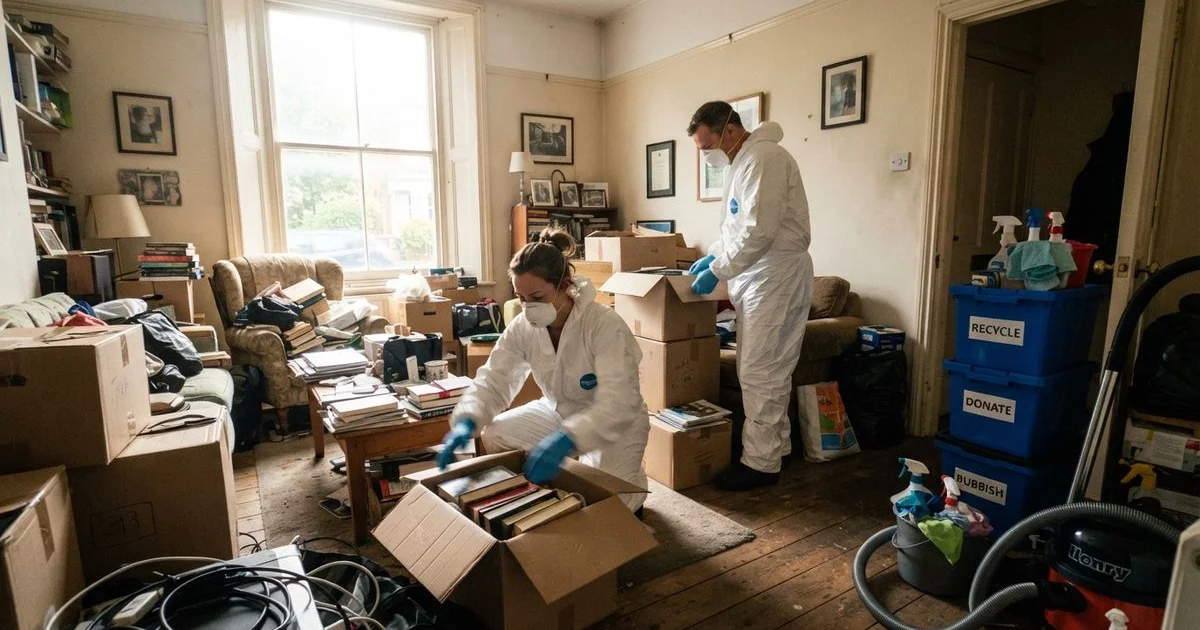
Hoarding and biohazard situations are some of the hardest cleaning jobs to ask for help with, often because there’s an emotional weight to the request that a normal booking doesn’t carry. This guide covers what these jobs actually involve and what to expect from a specialist crew. This is general information, not medical or legal advice.
What falls into this category
Biohazard cleanup covers situations involving bodily fluids, an unattended death, severe pest infestation, or accumulated waste and residue that pose a genuine health risk. Hoarding cleanup is a related but distinct situation: a home with years of accumulated belongings, where the challenge is as much about sorting and decision-making as it is about physical cleaning.
Petaling Jaya’s cleaning market includes specialists who handle exactly this kind of work, distinct from general house cleaners. Reviewers of these specialists describe a scientific, careful approach to microbial and residue treatment, and named technicians who are trusted specifically because they handle sensitive situations without judgment.
Why this differs from a standard clean
| Standard deep clean | Hoarding / biohazard cleanup | |
|---|---|---|
| Starting point | Home is cluttered but livable | Often unsafe or unsanitary to enter without protection |
| First step | Cleaning begins immediately | Sorting, removal, and disposal decisions come first |
| Equipment | Standard cleaning products | Protective gear, specialised disinfectants, proper disposal methods |
| Pace | Hours to a day | Can span multiple days depending on scale |
| Emotional dimension | Minimal | Often significant, especially involving a family member’s belongings |
Approaching it as a family
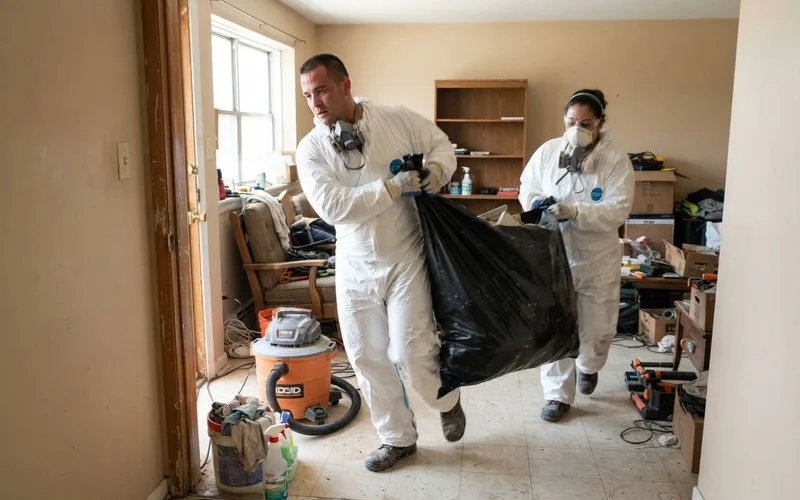
If you’re arranging this for a parent, relative, or someone else’s home, the situation calls for patience beyond what a typical booking needs. Where possible, involve the person living there in decisions about what stays and what goes, even if it slows the process down. A specialist crew that’s genuinely experienced with this kind of work will usually walk you through how they handle these conversations and won’t rush a family into decisions before they’re ready.
It’s also worth having a conversation with siblings or other family members ahead of time about expectations, since disagreements about what to keep or discard are common and easier to work through before the crew arrives than during the job itself.
What a specialist crew actually does
Expect an initial assessment before any work begins, since the scale of a hoarding or biohazard job usually can’t be quoted accurately over the phone. From there, the process typically moves through sorting and removal, disposal of anything hazardous through proper channels, deep cleaning and sanitising of the space, and sometimes odour treatment if the situation has been ongoing for a long period. Fair, transparent pricing and a willingness to explain each step matter more here than in a routine booking, given how much trust the situation requires.
Getting started
If you’re facing this situation, a phone conversation before any commitment is worth having: ask how the crew handles sorting and family involvement, what their disposal process looks like, and whether they’ve handled similar jobs before. Providers under our carpet and upholstery cleaning category in Petaling Jaya include specialists experienced with this kind of work, and a good one will talk you through the process rather than just quoting a number. If the job is closer to a heavy furniture and carpet clean than a full hoarding situation, our guide on DIY vs professional carpet and upholstery cleaning can help you scope it correctly.
Taking care of yourself during the process
If you’re the family member coordinating a hoarding or biohazard cleanup, it’s easy to underestimate how emotionally taxing the process can be, even when you’re not doing the physical work yourself. Give yourself permission to step back from decisions when needed, lean on other family members to share the load, and don’t feel obligated to be present for every stage of the job if it’s difficult to be there. A good specialist crew is used to working independently once instructions are clear, and won’t expect a family member to oversee every hour of the work.
Costs and what affects them
Pricing for these jobs depends heavily on scale, the volume of items to sort and remove, how long the accumulation has been ongoing, and whether hazardous materials are involved that need special disposal. Because of this range, an accurate quote almost always requires an in-person or video assessment rather than a phone estimate. Be wary of any provider willing to quote a firm price sight unseen for a job of unknown scale, since this usually means the number will change significantly once work begins.
For how these specialists are scored, see our methodology page, and browse the home page for other cleaning categories.
FAQ
- What actually counts as a biohazard cleanup job?
- This covers situations involving bodily fluids, unattended deaths, severe pest infestation, or hazardous mould and residue buildup, work that needs specialised protective equipment and disposal methods, not standard cleaning products and gloves.
- How is a hoarding cleanup different from a deep clean?
- A hoarding job usually starts with sorting and removal, deciding what stays, what's discarded, and what needs special disposal, before any cleaning can begin. It also tends to move slower and more carefully, since family members are often involved in decisions about belongings.
- Can one family member arrange this without the person living there agreeing?
- This is a sensitive situation best approached gently and, where possible, with the person's involvement in decisions. A good specialist crew will talk through how they handle this rather than treating it as a straightforward removal job.
- Is this covered by home insurance?
- Coverage depends entirely on your specific policy and the cause of the situation, so this is worth confirming directly with your insurer rather than assuming. This is general information, not insurance or legal advice.