

Dust and air quality after renovation: what to check before moving back in
By Janice · Updated 2026-07-01
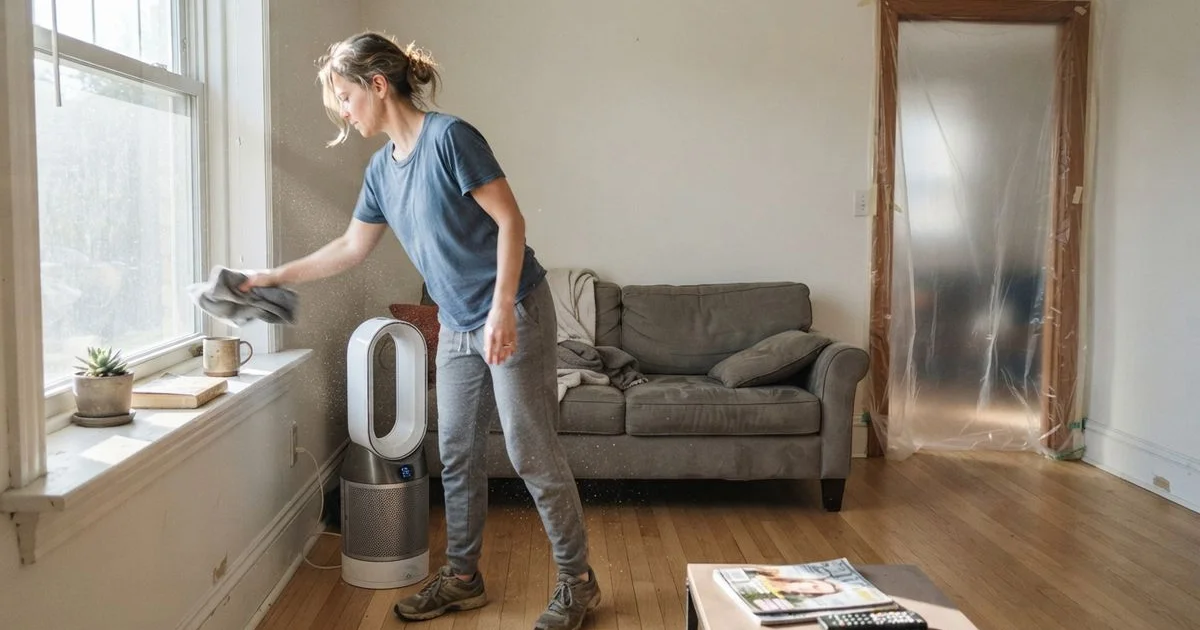
Renovation dust doesn’t stop being a problem the moment the contractors pack up their tools. Fine particles keep resettling for days, and a clean that only addresses the visible mess often misses what’s actually built up inside cabinets, vents, and fixtures. This is general information, not medical advice.
What’s actually in renovation dust
Depending on the work done, dust from a renovation can include cement and concrete particles, plaster and drywall dust, wood dust from cutting and sanding, and paint particles. In older units, disturbing existing surfaces can also release lead paint dust or, in rare cases, asbestos fibres from materials common in older construction. Most of this isn’t visible to the naked eye once it settles into a fine film, which is why a room can look clean while still holding a significant amount of dust in places you wouldn’t normally check.
Why it lingers longer than you’d expect
Fine particles stay airborne for hours after active work stops, and every time a door opens, a fan runs, or someone walks through, settled dust gets disturbed and goes airborne again. This cycle is why cleaners covering post-renovation and deep cleaning in Petaling Jaya build in multiple passes rather than a single sweep, catching dust that resettles after the first round.
The spots that get missed most often
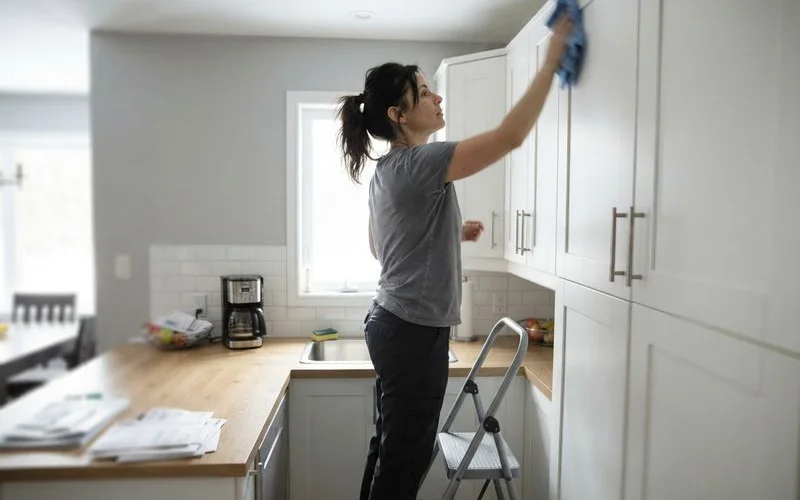
| Area | Why it’s often missed |
|---|---|
| Inside cabinets and drawers | Looks closed and clean from outside |
| Top of door frames and skirting boards | Above or below normal eye level |
| Light fixtures and ceiling fan blades | Rarely checked during a quick visual pass |
| Aircon vents and coils | Dust gets pulled in and recirculated if AC runs during work |
| Window tracks and sills | Fine dust settles in grooves and corners |
Practical steps before moving back in
Keep the air-conditioning off during the messiest phases of work if possible, since running it can pull dust into the ductwork and recirculate it through the unit afterward. Once the main work is done, air the space out with windows open where possible before a deep clean begins, and plan for the clean to happen in at least two passes: an initial heavy pass, then a follow-up a day or two later once resettled dust has been dealt with.
If anyone moving back in has asthma, allergies, or another respiratory condition, it’s worth being extra cautious about timing, giving the space more time to air out and clean before they’re back in it daily, and checking in with a doctor if symptoms show up after the move.
When to bring in a professional versus handling it yourself
A light renovation, like repainting a single room, is usually manageable with your own thorough dusting and a good vacuum with a fine filter. A fuller renovation involving demolition, flooring replacement, or ceiling work generates enough fine dust that a professional post-renovation clean, with proper equipment and a multi-pass approach, saves you from missing spots that keep re-releasing dust for weeks afterward.
Testing air quality if you’re concerned
If a household member has a pre-existing respiratory condition, or the renovation involved older materials that may contain lead paint or asbestos, an independent air quality or surface dust test before moving back in can offer real peace of mind. This is a separate service from cleaning itself, usually arranged through an environmental testing provider rather than the cleaning company, and worth considering for any renovation that involved demolition of older structures rather than a straightforward cosmetic update.
Ventilation habits worth keeping after the clean
Even after a thorough post-renovation clean, it helps to keep windows open when weather allows for the first week or two of living back in the space, since any residual fine dust in less accessible spots (behind built-in furniture, inside air-conditioning units) continues to settle and disperse gradually. Running the air-conditioning on a lower fan setting initially, rather than full blast, also reduces how much residual dust gets recirculated before the system itself has been cleared. If dust or a musty smell persists noticeably after two weeks, it’s a reasonable sign to book a follow-up clean rather than assuming it will resolve on its own.
For how post-renovation cleaning providers are scored on thoroughness, see our methodology page. Browse the full range of categories from the home page if your renovation also touched carpets, upholstery, or aircon units that need their own specialist attention.
FAQ
- Is renovation dust actually harmful, or just annoying?
- It depends on the work done. Cement, plaster, and drywall dust can irritate airways and eyes, and older units may release lead paint dust or asbestos fibres from materials disturbed during demolition. This is general information, not medical advice, so if anyone in the household has respiratory conditions, check with a doctor about precautions.
- How long does dust stay airborne after renovation work stops?
- Fine particles can stay suspended for hours and resettle repeatedly for days, which is why a single vacuum pass right after work finishes rarely solves it. A proper post-renovation clean usually includes a wait period plus multiple passes as dust continues to settle.
- Should I run the air-conditioning during and after renovation work?
- Running it during heavy demolition can pull dust into the ductwork and recirculate it. Most cleaners recommend keeping AC off during the messiest phases, then having vents and coils cleaned before regular use resumes.
- How do I know when a post-renovation clean is actually done properly?
- Check inside cabinets, on top of door frames, along skirting boards, and inside light fixtures. These are the spots where dust settles and gets missed most often, even after a floor looks spotless.
Related on this site
- Browse post-renovation & deep cleaning providers
- Best post-renovation & deep cleaning in Klang Valley →
- What drives the price of post-renovation cleaning
- Post-renovation cleaning timeline: how long it takes and when to book
- Mould and damp after flooding: cleaning your home safely
- Cleaning chemicals and kids or pets at home: what's actually safe
- All guides →